







Reviews

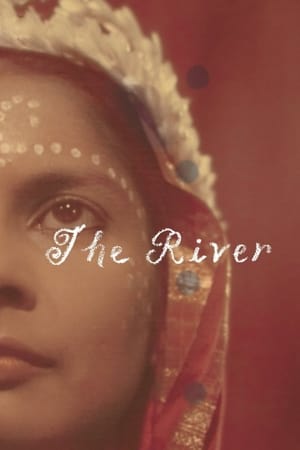
Director Jean Renoir’s entrancing first color feature—shot entirely on location in India—is a visual tour de force. Based on the novel by Rumer Godden, the film eloquently contrasts the growing pains of three young women with the immutability of the Bengal river around which their daily lives unfold. Enriched by Renoir’s subtle understanding and appreciation for India and its people, The River gracefully explores the fragile connections between transitory emotions and everlasting creation.
Genre: DramaRomance
Starring: Nora SwinburneEsmond KnightArthur ShieldsSuprova MukerjeeThomas E. Breen
Language: en
Duration: 99mins
Release: 1951-09-10
Rating: 7.2

2/8/2024
I found there to be something of the beauty of one of novelist Rumor Godden's other novels - "Black Narcussus" (1947) in this gorgeously photographed tale of three young women growing up with the Ganges river providing a constant in their lives. Our story is narrated, in part, by "Harriet" (Patricia Walters) who lives an affluent life beside the river with her much younger sisters, brother and with her mother (Nora Swinburne) expecting number seven! The age difference means she spends much of her time with her two friends "Valerie" (Andrienne Corri) and "Melanie" (Radha). "Melanie" is of mixed-race, her father being being British, her late mother a local - and so their's is a more complex dynamic fitting in with a society that was still pretty unforgiving of inter-racial transgressions. The three girls rub along well enough though, enjoying the simplicities of their privileged lives, until the arrival of the handsome "Uncle John" (Thomas E. Breen) who is the cousin of "Mr. John" (Arthur Shields) - the dad of "Melanie". This visitor has, quite literally, been through the wars and has a prosthetic limb to show for it. Psychologically struggling, he has come to hide himself away; to remove any reminders of his former more able existence. What he doesn't bargain for though are these three girls. They take an immediate shine to him and over the course of the latter part of the film we enjoy their growing infatuation and rivalries - all set amidst the colourful and vibrant Hindu community in which they live but with which they have remarkably little but the most polite of involvement. As you'd expect, the narrative delivers an occasional tragedy and it takes a perhaps little too stoic a view on the value of human life - especially when it isn't white - but for the most part the story seems set on avoiding anything politically, or even societally contentious as the plot develops. Essentially, there's not a great deal of actual substance to this story. It's a beautifully photographed and aesthetically pleasing depiction of a dream, if you like - and it's not a great dream for everyone; even "Harriet" - before the timeless Ganges continues on it's way past farms, fields, temples and homes. It looks great on a big screen and if you can, literally, go with the flow then you ought to be able to appreciate it for what it was, when it was written in 1946.